
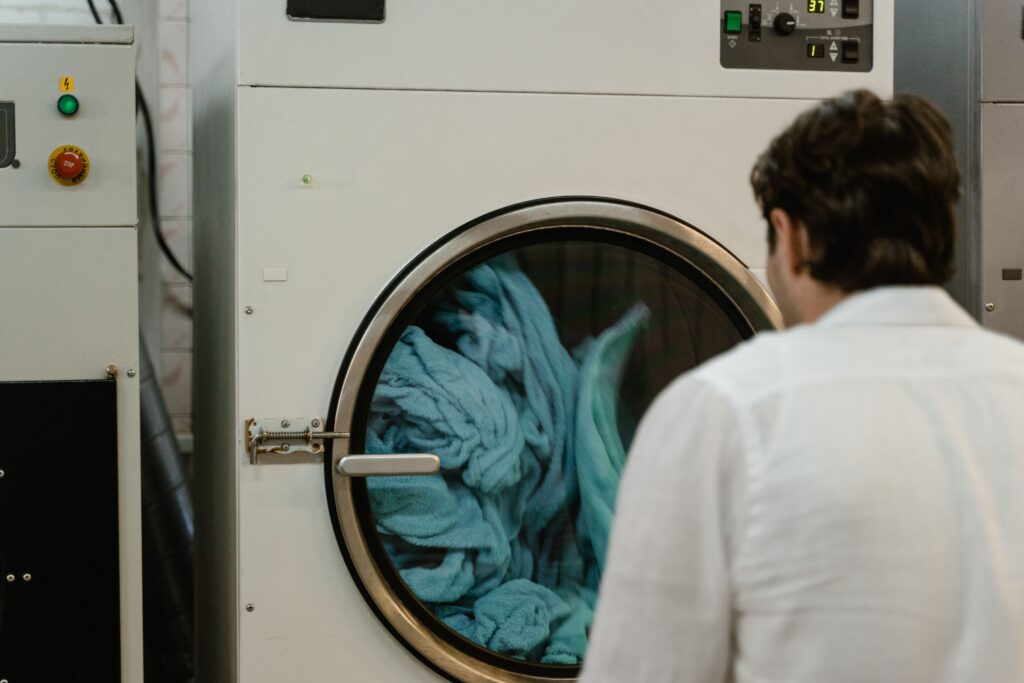
A washing machine that won’t drain properly can be frustrating and leave you with a tub full of water and wet clothes. While some drainage problems can be resolved with simple troubleshooting, others require professional repair. Understanding the most common causes can help you identify the issue and determine the next steps.
1. Clogged Drain Hose
One of the most common reasons a washing machine fails to drain is a clogged or restricted drain hose. During normal operation, lint, dirt, fabric fibers, coins, small clothing items, and other debris can gradually build up inside the hose. Over time, this blockage can prevent water from flowing out of the machine properly.
In some cases, the hose may also become kinked or pinched behind the washer, restricting water flow. If the water cannot leave the machine efficiently, it may remain in the drum after the cycle ends, leaving clothes soaked and requiring additional spin cycles.
Regular inspection of the drain hose can help prevent drainage problems and extend the life of your washing machine.
2. Blocked Drain Pump Filter
Most modern washing machines include a drain pump filter designed to catch small objects before they reach the pump. Items such as coins, buttons, hairpins, pet hair, and lint can become trapped in the filter over time.
When the filter becomes clogged, water may drain very slowly or not drain at all. Homeowners may notice standing water in the drum, unusual noises during the drain cycle, or error messages appearing on the control panel.
Cleaning the drain pump filter regularly is an important maintenance task that can help prevent unexpected breakdowns and improve overall washer performance.
3. Faulty Drain Pump
The drain pump is responsible for removing water from the washing machine at the end of each cycle. If the pump becomes damaged, worn out, or blocked by debris, it may not be able to move water efficiently.
A failing drain pump often produces humming, buzzing, or grinding noises. In some cases, the pump may continue running without actually removing water from the machine. Homeowners may also notice water remaining in the drum or repeated drainage-related error codes.
Because the drain pump plays a critical role in the washing machine’s operation, a malfunctioning pump should be inspected and repaired as soon as possible to avoid further damage.
4. Lid Switch or Door Lock Problems
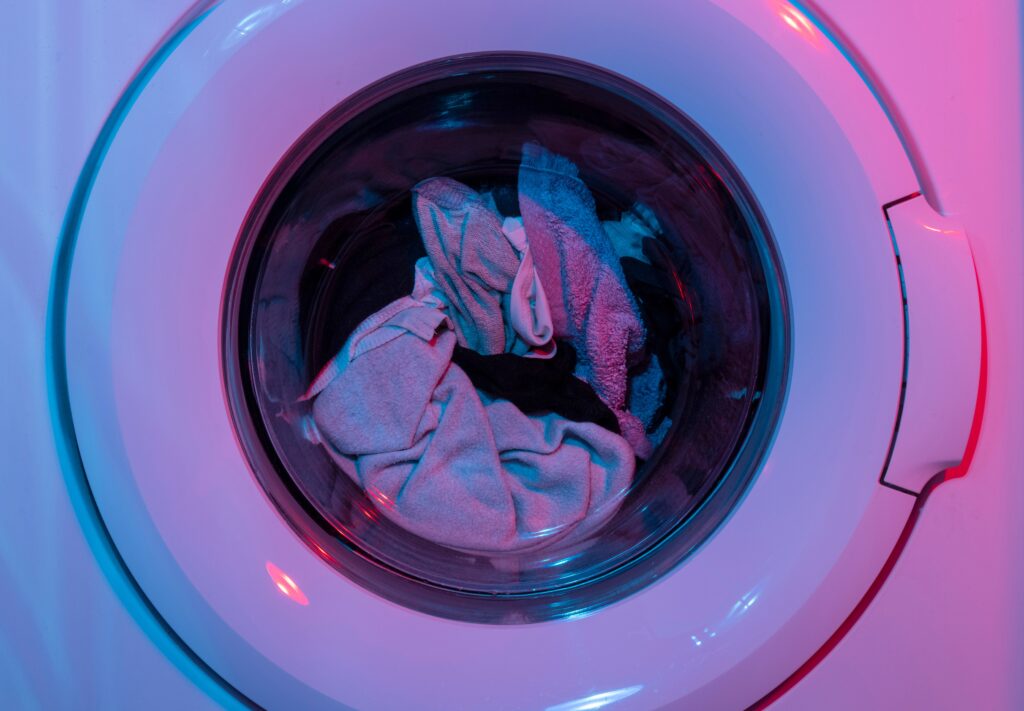
Modern washing machines are equipped with safety mechanisms that prevent certain cycles from operating unless the door or lid is properly secured. If the lid switch or door lock assembly becomes defective, the washer may refuse to drain or spin.
A faulty door lock can cause the machine to stop unexpectedly during a cycle, display error messages, or leave clothes soaking wet at the end of a wash. Since the control board relies on signals from the door lock system, even a minor fault can interrupt normal operation.
If the door appears to close properly but the machine still experiences drainage issues, the lid switch or lock mechanism may need professional diagnosis.
5. Drainage System Issues
Sometimes the problem is not with the washing machine itself but with the home’s drainage system. A blocked standpipe, clogged drain line, or plumbing obstruction can prevent water from flowing away properly.
When household drains become restricted, water may back up into the washer or nearby fixtures. You may notice slow-draining sinks, gurgling sounds, unpleasant odors, or water backing up during the drain cycle.
If multiple plumbing fixtures in the home are experiencing drainage problems, the issue may be related to the household plumbing system rather than the appliance itself. In these situations, addressing the plumbing problem is necessary to restore proper washer drainage.